
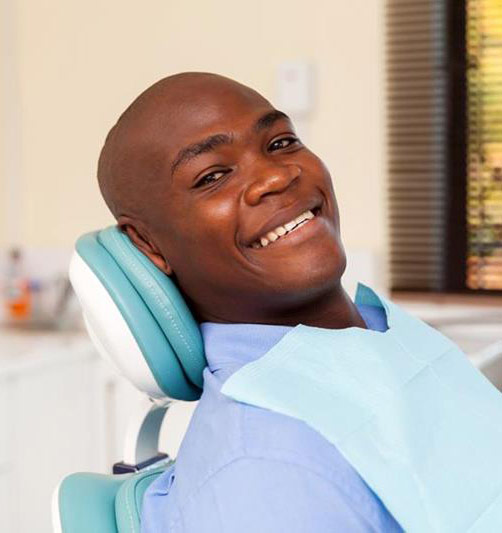
Sedation dentistry is a technique that involves using medication to help patients relax during dental procedures. This type of dentistry is also sometimes referred to as sleep dentistry, although patients are usually not fully asleep during the procedure.
There are several levels of sedation that can be used in dentistry, ranging from mild relaxation to deep sedation. The level of sedation used will depend on the patient’s individual needs and the type of procedure being performed.
Mild sedation involves the use of medication such as nitrous oxide (also known as laughing gas) that is administered through a mask placed over the patient’s nose. This type of sedation can help patients feel more relaxed and less anxious, but they are still fully conscious and able to communicate with their dentist.
Moderate sedation involves the use of medication such as oral sedatives or intravenous (IV) drugs to help patients feel more deeply relaxed. Patients may still be conscious but will likely have little memory of the procedure.
Deep sedation involves the use of IV drugs that will cause the patient to be in a state of sleep or unconsciousness during the procedure.
Sedation dentistry can be especially helpful for patients who have dental anxiety or phobia, have a low pain threshold, have a strong gag reflex, need a complex dental procedure or surgery, or have a medical condition that makes it difficult for them to sit still for long periods of time. It can also help patients who need multiple procedures completed in one visit.
It’s important to note that sedation dentistry should only be administered by a qualified dentist who has been trained in sedation techniques and has the necessary equipment to monitor the patient’s vital signs throughout the procedure. Patients should also be screened beforehand to ensure that they are healthy enough to undergo sedation.
Sedation dentistry can be helpful for a variety of reasons, including:
- Reducing anxiety and fear: Many people have dental anxiety or fear of the dentist, which can make it difficult for them to receive the dental care they need. Sedation dentistry can help these individuals relax and feel more comfortable during their dental procedures.
- Providing pain relief: Sedation dentistry can help reduce pain and discomfort associated with dental procedures. Depending on the level of sedation used, patients may not feel any pain during the procedure.
- Facilitating complex procedures: For patients who require more complex dental procedures, such as oral surgery or multiple treatments in one visit, sedation dentistry can be a helpful tool to make the experience more comfortable and efficient.
- Reducing the gag reflex: Some patients have a strong gag reflex that makes it difficult for them to receive dental treatment. Sedation can help reduce this reflex, making it easier for the dentist to perform the necessary procedures.
- Helping patients with special needs: Sedation dentistry can be especially helpful for patients with special needs, such as those with autism or developmental disabilities, who may have difficulty sitting still or communicating during dental procedures.
Overall, sedation dentistry can help patients receive the dental care they need in a more comfortable and relaxed manner. It can make dental procedures more efficient, reduce anxiety and fear, and improve the overall experience for patients.
Typical Treatment Completed Under Sedation
Wisdom Teeth Extractions
 Wisdom teeth are the last set of molars. They usually come in when you are a teenager, though many start to come in when you are in your twenties.
Signs You May Need Your Wisdom Teeth Removed
In the end, whether you need to have your wisdom teeth removed is a decision you will need to make after speaking with your dentist. But if you notice any of the following signs, that conversation about your wisdom teeth can’t wait until your next scheduled appointment.
Pain is one of the most obvious signs your wisdom teeth may need to be removed. You may notice pain either along your entire jawline or just in a single location in the back of your mouth. You may also develop painful or bleeding gums. Quite often the pain is most acute while eating or brushing, but sometimes you can experience a high level of pain throughout the day.
Jaw stiffness is common when there are problems with your wisdom teeth. Whether your jaw feels sore or you are unable to open your mouth as wide as usual, it may show you should have your wisdom teeth removed. This soreness occurs when emerging wisdom teeth crowd and shift your existing teeth. If left untreated, your teeth will shift and may become crooked.
Constant colds, headaches, and sinus infections are a clear signal you have a dental problem. Your oral and nasal cavities connect. When you have any upper wisdom teeth issues, you can usually feel sinus pain or pressure. After having your wisdom removed, your sinus pain should disappear.
The development of oral cysts around your wisdom teeth is a dangerous sign you need immediate treatment. When a tooth does not emerge completely from the gum line, dentists say it is “impacted”. When a wisdom tooth is impacted, the sacs near the tooth may fill with fluid which can lead to an infection. When this occurs, a cyst can form. Oral cysts, besides being painful, can lead to permanent jaw and tooth damage.
Dental Implants
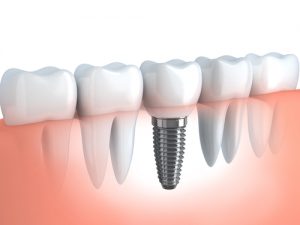 What can you do when you are missing teeth in only one area? One potential option is dental implants. Dental implants can be used in almost any area of the mouth to replace missing teeth. They can be placed singly, to replace one missing tooth, or in pairs that form a bridge, to replace a series of missing teeth.
Implants have been used for decades to help patients have strong healthy smiles. They have been proven to be safe, and can be beautiful and long lasting. The process of getting dental implants starts with having the implant placed. Once the implant is secure (a process which may involve healing time) a crown is placed on the implant. The crown is made of porcelain and supported by titanium. it is custom designed to look like a natural tooth, matching your existing teeth and smile. Once your crown is placed, it can be difficult for even a dentist to tell which tooth is false by looking at them!
Extractions And Oral Surgery For Adults
Sometimes it may be necessary to have a tooth extracted, commonly known as having a tooth “pulled.” Although teeth are made to last a lifetime, there are several reasons a extractions may be necessary.
Some of those reasons are:
- Infected Teeth
- Crowded Teeth
- Badly Damaged Teeth
How Does an Extraction Work?
Our patients’ comfort is our primary concern. We offer nitrous gas (laughing gas) for those patients who may need to relax a bit before a procedure. Once comfortable, anesthetic is given to numb the tooth and the area around it. Through the use of special tools, the tooth is removed and then the socket is treated so that it will heal properly. A blood clot forms in the remaining socket. To stop the bleeding, the dentist may ask the patient to bite down on a gauze pad, or place a couple stiches.
What Do I Do After an Extraction?
Proper care is essential to make sure you heal properly after an extraction. Take any medication as prescribed, and make sure to use gauze and ice as needed to control bleeding and inflammation. Eat soft foods and avoid suction like with straws or cigarettes. Brush the teeth around the site gently. You can also rinse your mouth gently with a warm salt solution to keep it clean and help it feel better.
For more detailed Post Extraction instructions click here!